How Digital Technologies Research Shapes Our Daily Lives
1. What Is Digital Technologies Research?
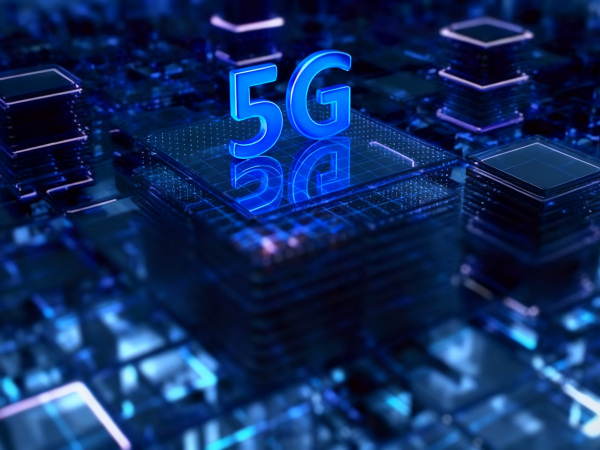
Digital technologies research explores how tools like artificial intelligence (AI), the Internet of Things (IoT), blockchain, and 5G networks are designed and optimized. But its goal isn’t just building gadgets—it’s solving real-world problems. Researchers investigate questions like: How can AI assist doctors in detecting diseases earlier? Can IoT sensors make agriculture more sustainable? How do we protect digital systems from cyberattacks? This field turns ideas into practical solutions that improve efficiency, accessibility, and quality of life across industries.
2. Healthcare: Smarter Diagnostics and Personalized Care
In medicine, digital technologies research has led to breakthroughs like AI-powered diagnostics. Algorithms analyze medical images (such as X-rays or MRIs) to identify early signs of diseases like cancer, often matching or exceeding human accuracy. Wearable devices—like smartwatches—track vital signs (heart rate, sleep patterns, blood oxygen) and alert users to potential health risks in real time. Telemedicine platforms, supported by secure digital networks, enable virtual consultations, bringing healthcare to remote areas and reducing barriers for patients who can’t travel.
3. Smart Cities and Infrastructure
Cities are becoming “smarter” thanks to digital research. IoT sensors monitor traffic flow, air quality, and energy use to optimize streetlights, reduce pollution, and improve public transport routes. For urban planning, “digital twins”—virtual replicas of buildings or entire cities—allow engineers to test changes (like redesigning a power grid) in a simulated environment before applying them in reality. These applications enhance sustainability, safety, and resource management in urban areas.
Industry and Automation
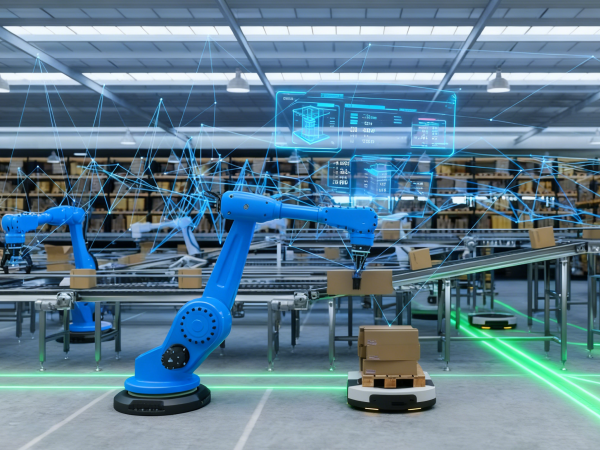
In manufacturing, AI-driven robots handle repetitive tasks with precision, reducing human error and boosting productivity. Predictive maintenance systems use sensors to monitor machinery, predicting when equipment needs repairs before breakdowns occur. This minimizes downtime and saves costs for industries. Digital technologies also streamline supply chains, ensuring products reach consumers faster and more efficiently.
Education and Accessibility
Education is being transformed through personalized learning platforms powered by AI. These systems adapt lessons to individual students’ pace and learning styles, helping learners of all ages master new skills. Language translation tools, developed through digital research, break down communication barriers in global interactions and travel. Additionally, digital accessibility tools (like screen readers or voice-controlled interfaces) empower people with disabilities to engage more fully with technology.
Challenges and Ethical Considerations
While digital innovations offer immense benefits, research also addresses critical challenges:
- Privacy and Ethics: Ensuring AI systems don’t reinforce biases or misuse personal data.
- Cybersecurity: Protecting sensitive information from hackers as more devices connect online.
- Sustainability: Using digital tools to reduce waste (e.g., smart grids optimizing energy use) and combat climate change.
Researchers collaborate across disciplines (computer science, sociology, ethics) to create technologies that are not only powerful but also fair, secure, and environmentally responsible.
The Future: Emerging Trends
The field is rapidly evolving. Quantum computing promises to solve complex problems (like drug discovery or climate modeling) beyond the reach of traditional computers. Extended reality (XR)—blending virtual and physical worlds—will revolutionize education, training, and entertainment. Edge AI, which processes data locally on devices (like smartphones or drones), will reduce latency and enhance privacy.
Final Thought
Digital technologies research isn’t just about gadgets—it’s about creating solutions that save lives, protect the planet, and empower people. From healthcare and smart cities to education and ethical innovation, this field shapes a future where technology serves humanity. By understanding and supporting this research, we all contribute to building a smarter, more connected world.
Curious to learn more? Dive into digital tech research to see how science turns ideas into real-world impact!
Meet the experts in digital technologies research
Prof. Dr. Maria Alessandra Ragusa
Scopus
ORCID: 0000-0001-6611-6370
Affiliation: Department of Mathematics and Computer Science, University of Catania, Catania 95124, Italy
Research Interests: mathematics; partial differential equations; potential theory; real analysis; regularity results

Prof. Dr. George A. Tsihrintzis
Scopus
ORCID: 0000-0002-2716-4035
Affiliation: Department of Informatics, University of Piraeus, Piraeus 18534, Greece
Research Interests: computational intelligence; pattern recognition; artificial intelligence; signal processing; image analysis

Dr. Zahid Akhtar
ResearchGate
Affiliation: Department of Network and Computer Security, State University of New York Polytechnic Institute, Utica, NY 13502, USA
Research Interests: machine learning; biometrics; cyber security; computer vision; affective computing

Dr. Xudong Huang
ResearchGate
Affiliation: Neurochemistry Lab, Department of Psychiatry, Massachusetts General Hospital (MGH) and Harvard Medical School (HMS), Charlestown, MA 02129, USA
Research Interests: algorithms; alzheimer’s disease; artificial intelligence; big data analytics; blockchain; convolutional neural network; deep learning; depression; drug discovery; exposome; machine learning; metal oxide nanoparticles; metals; neurodegeneration
Prof. Dr. Maysam Abbod
ORCID: 0000-0002-8515-7933
Affiliation: Department of Electronic and Electrical Engineering, Brunel University London, Uxbridge UB8 3PH, UK
Research Interests: intelligent systems biomedical applications; modelling and control of electrical power quality; stock exchange market modelling; intelligent systems for credit scoring; intelligent hybrid modelling and control of distillation column systems; time series modelling; hybrid modelling techniques (multivariate/time series); developments of advanced process modelling, optimisation and control strategies; data mining and data driven modelling techniques
Want to join us?