Oceans at the Crossroads
1. Understanding the Foundations of Marine Sustainability
The ocean is the lifeblood of Earth, regulating climate, producing oxygen, and supporting 80% of global biodiversity. However, human activities—overfishing, pollution, coastal development, and climate change—are pushing marine ecosystems to their tipping points. Marine sustainable research emerges as a multidisciplinary field that integrates oceanography, ecology, economics, and policy to address these challenges. Its core objective is to ensure the ocean’s long-term health while meeting human needs for food, livelihoods, and economic growth. Unlike traditional ocean studies that often focus on isolated phenomena, this research adopts a systems-thinking approach, recognizing that the ocean functions as an interconnected web where disruptions in one area (e.g., coral reefs) can cascade into broader ecosystem failures (e.g., declining fish stocks). By uncovering the complex relationships between human activities and marine ecosystems, marine sustainable research provides the scientific foundation for policies and practices that balance exploitation with conservation.
2. Core Research Areas Driving Marine Sustainability
2.1 Protecting Marine Biodiversity: The Foundation of Ocean Resilience
Biodiversity is the ocean’s insurance policy against environmental shocks. From microscopic phytoplankton to massive blue whales, each species plays a unique role in maintaining ecosystem balance. Marine sustainable research in this area focuses on three key strategies:
Mapping and Monitoring: Advanced technologies like underwater drones, satellite imagery, and AI-driven data analysis are used to identify critical habitats (e.g., coral reefs, mangroves, and deep-sea vents) and track species migrations. For example, tagging programs have revealed how sea turtles and whales use migratory corridors, informing the design of marine protected areas (MPAs).
Establishing MPAs: These "ocean sanctuaries" restrict harmful human activities (e.g., fishing, mining) to allow ecosystems to recover. Research shows that well-managed MPAs can boost fish populations by over 600% and enhance ecosystem resilience to climate change.
Combating Threats: Studies target specific risks like overfishing (which depletes key species and disrupts food chains) and invasive species (which outcompete native organisms). Solutions include enforcing catch limits, restoring degraded habitats, and preventing the introduction of non-native species via ballast water.
2.2 Mitigating Climate Change Impacts on the Ocean
The ocean absorbs ~30% of human-produced CO₂ and over 90% of excess heat, but this comes at a cost. Marine sustainable research investigates the cascading effects of climate change and develops adaptation strategies:
Coral Bleaching and Reef Resilience: Rising sea temperatures cause corals to expel symbiotic algae, leading to bleaching. Researchers identify "heat-resistant" coral strains and test methods like assisted evolution (breeding corals for thermal tolerance) to enhance reef survival.
Ocean Acidification: Increased CO₂ lowers ocean pH, weakening shells and skeletons of organisms like oysters, plankton, and corals. Studies explore how acidification alters food webs and test mitigation techniques such as alkalinization (adding minerals to counteract acidity).
Sea-Level Rise and Coastal Protection: Melting ice and thermal expansion threaten coastal communities. Research evaluates nature-based solutions (e.g., restoring mangroves and salt marshes) that absorb storm surges and reduce erosion, complementing engineered defenses.
2.3 Ensuring Sustainable Use of Marine Resources
Balancing resource extraction with ecosystem health is a central challenge. Research in this domain focuses on fisheries and aquaculture—critical sources of protein for 3 billion people:
Ecosystem-Based Fisheries Management (EBFM): Unlike traditional single-species quotas, EBFM considers the entire food web. For example, limiting fishing of key predators (e.g., tuna) prevents trophic cascades that could collapse entire ecosystems.
Aquaculture Innovations: With nearly half the world’s seafood coming from farms, research promotes sustainable practices like integrated multi-trophic aquaculture (IMTA), where fish, shellfish, and seaweed are farmed together to recycle nutrients and reduce pollution.
Alternative Protein Sources: To ease pressure on wild stocks, scientists develop plant-based seafood, lab-grown fish, and insect-based feeds for aquaculture, reducing reliance on wild-caught fishmeal.
2.4 Tackling Pollution: From Plastic Waste to Toxic Runoff
Pollution is a visible and urgent threat to marine life. Key research efforts include:
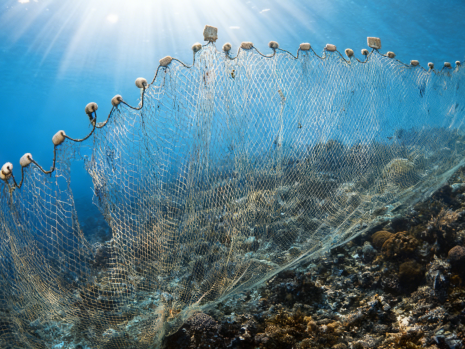
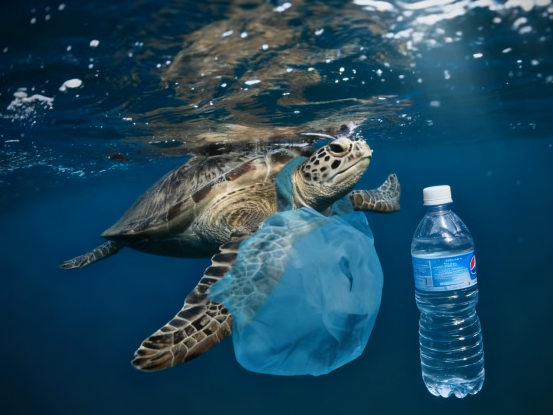
Plastic Pollution: Over 8 million tons of plastic enter the ocean annually, forming garbage patches and breaking into microplastics that enter the food chain. Studies investigate sources (e.g., riverine inputs, fishing gear) and test solutions like biodegradable plastics, improved waste management, and cleanup technologies (e.g., The Ocean Cleanup project).
Chemical and Oil Pollution: Agricultural runoff (pesticides, fertilizers) creates dead zones where oxygen levels are too low for marine life. Research focuses on reducing nutrient inputs and restoring wetlands that filter pollutants. Oil spill responses are also refined, using dispersants, booms, and bioremediation (bacteria that break down hydrocarbons).
2.5 Advancing the Blue Economy: Growth Without Degradation
The "blue economy" promotes economic activities that align with ocean conservation. Marine sustainable research informs sectors like:
Renewable Energy: Offshore wind, tidal, and wave power offer low-carbon alternatives, but research assesses their environmental impacts (e.g., effects on seabirds and marine mammals) and optimizes placement.
Sustainable Tourism: Eco-diving, responsible whale watching, and marine parks generate income while educating visitors. Studies evaluate carrying capacities and design guidelines to minimize habitat disturbance.
Deep-Sea Resource Management: Mining for minerals (e.g., cobalt, manganese) in the deep sea poses risks to fragile ecosystems. Research evaluates trade-offs and develops regulations to prevent irreversible damage.
3. Overcoming Challenges and Scaling Solutions
3.1 Addressing Data Gaps and Uncertainty
Many ocean regions—especially the deep sea and polar zones—remain underexplored. Climate change introduces unpredictable variables, requiring adaptive research strategies that integrate real-time data (e.g., satellite monitoring of sea surface temperatures) and scenario modeling to prepare for future shocks.
3.2 Strengthening Policy and Governance
Even robust research faces implementation hurdles due to conflicting interests (e.g., fishing vs. conservation) and weak enforcement of marine protection laws. Studies on governance models emphasize community involvement, international cooperation (e.g., the UN Convention on the Law of the Sea), and economic incentives (e.g., payments for ecosystem services) to improve compliance.
3.3 Bridging Science and Action
Translating research into practice requires collaboration with policymakers, industries, and local communities. Initiatives like the UN Decade of Ocean Science for Sustainable Development (2021–2030) foster partnerships to co-produce knowledge and scale solutions. Citizen science—engaging the public in beach cleanups, species monitoring, and data collection—also amplifies impact.
4. Conclusion: A Call for Collective Stewardship
Marine sustainable research is not just an academic pursuit; it is a blueprint for the future. By unraveling the complexities of ocean systems, bridging the gap between science and policy, and fostering global cooperation, this field equips us to protect marine ecosystems while securing the resources humanity depends on. The ocean is not an infinite resource but a shared heritage that requires collective care. Through informed decision-making, innovative technologies, and a commitment to equity, we can ensure that the ocean continues to thrive—nurturing life beneath the waves and sustaining life on land for generations to come.
Meet the experts in Marine Sustainable Science

Erkan Oterkus
Homepage
Google Scholar
Scopus profile
Affiliation: University of Strathclyde, United Kingdom
Research Interests: Peridynamics, Structural Health Monitoring, inverse Finite Element Method (iFEM), Additive Manufacturing, Aerospace Structures, Artificial Intelligence/Machine Learning, etc.
Xiang Yuan Zheng
Homepage
Google Scholar
ORCID
Email
Affiliation: Tsinghua University, China
Research Interests:
Offshore Engineering: Ocean Renewable Energy, Offshore Structures
Earthquake Engineering: Seismic Ground Motions, Seismic Design of Marine Structures
Focuses: Nonlinear Random Processes, Higher-order Spectrum

Lin Li
Homepage
Scopus
Google Scholar
Affiliation: University of Stavanger, Norway
Research Interests:
Dynamic analysis of marine structures; Marine operations and installations; Design and analysis of aquaculture structures; Hydrodynamics on offshore structures; Statistical analysis of waves and wave loads

Bin Xu
Homepage
Scopus
Google Scholar
ORCID
Affiliation: Huaqiao University, Xiamen, China
Research Interests: the mechanism of new wind turbine support structure systems, nondestructive testing of civil engineering structures, structural nonlinear behavior identification, multi disaster protection, and multi-scale and multi-physical field simulation of concrete materials and components
Want to join us?