Food for All

Introduction
Food is the cornerstone of human existence, a biological necessity that transcends mere survival to become deeply intertwined with culture, tradition, and social identity. Across the globe, from the bustling street food markets of Bangkok to the rustic family farms of Iowa, food is a universal language that brings people together. It is a symbol of celebration, a source of comfort, and a means of expressing cultural heritage. However, despite the abundance of food produced worldwide, a significant portion of the global population still struggles to access adequate and nutritious food. The issue of food security is not just a matter of agricultural productivity; it is a complex, multifaceted challenge that touches on economics, politics, environment, and human rights. This article delves into the human dimensions of food insecurity, exploring the far - reaching impacts on individuals and communities, and presents sustainable, people - centered solutions to ensure that everyone has access to sufficient, safe, and nutritious food.
1. The Human Cost of Hunger
Hunger is a silent epidemic that affects millions of lives, leaving an indelible mark on individuals, families, and entire communities. At its core, hunger is not just about an empty stomach; it is a state of deprivation that undermines physical health, cognitive development, and emotional well - being.
The Impact on Children
Children are perhaps the most vulnerable group when it comes to hunger. Malnutrition in early childhood can have irreversible consequences. Stunting, a condition where a child is significantly shorter than the average for their age, is a direct result of chronic malnutrition. It not only affects a child's physical growth but also impairs their cognitive abilities. Stunted children often have lower IQs, reduced concentration spans, and poorer academic performance. For example, in some sub - Saharan African countries, a large proportion of children under the age of five suffer from stunting, which severely limits their future potential. These children are more likely to drop out of school early, enter into low - paying jobs, and remain trapped in a cycle of poverty.
Moreover, acute malnutrition, or wasting, can be life - threatening. Children with wasting have a weakened immune system, making them more susceptible to diseases such as pneumonia, diarrhea, and malaria. In regions affected by conflicts or natural disasters, where food supplies are disrupted, the number of children suffering from acute malnutrition can soar. The sight of emaciated children in refugee camps, their ribs visible and their eyes sunken, is a heart - wrenching reminder of the devastating impact of hunger on the youngest members of society.
The Burden on Women
Women play a central role in food production, preparation, and distribution, yet they are often the ones who bear the brunt of food insecurity. In many cultures, women are responsible for growing subsistence crops and ensuring that their families are fed. However, they often have limited access to land, credit, and agricultural inputs. As a result, they struggle to produce enough food to meet their family's needs.
In times of food scarcity, women often eat last and least. They prioritize the needs of their children and husbands over their own, sacrificing their own health in the process. Malnourished women are more likely to give birth to low - birth - weight babies, who are at a higher risk of health problems and developmental delays. Additionally, the stress and anxiety associated with food insecurity can take a toll on women's mental health, leading to depression and other psychological disorders.

Displaced Communities and Refugees
Refugees and displaced communities are among the most food - insecure groups in the world. Forced to flee their homes due to conflicts, persecution, or natural disasters, they often find themselves in overcrowded refugee camps or makeshift settlements with limited access to food, water, and sanitation. The journey to safety is often arduous, and many refugees arrive at their destination exhausted, malnourished, and traumatized.
In refugee camps, food rations are often insufficient to meet the nutritional needs of the residents. The quality of the food provided may also be poor, lacking in essential vitamins and minerals. The lack of access to fresh produce and a diverse diet can lead to micronutrient deficiencies, which can have long - term health consequences. Moreover, the uncertainty and instability of life in a refugee camp can cause significant psychological distress, further exacerbating the effects of hunger.
Beyond the physical suffering, hunger has profound social and economic impacts. It deepens existing inequalities, as those who are already marginalized are the most affected. It can lead to social unrest, as people become desperate for food and are willing to take extreme measures to obtain it. Hunger also undermines economic development, as malnourished individuals are less productive and more likely to fall ill, resulting in lost workdays and increased healthcare costs.
2. The Roots of the Crisis: Beyond Just Supply
While factors such as climate change and population growth undoubtedly strain the global food system, the root causes of food insecurity are far more complex and multifaceted. The real challenges often lie in the realms of distribution, waste, and economic access.
Food Waste: A Global Scandal
One of the most shocking aspects of the global food crisis is the sheer amount of food that is wasted. Approximately one - third of all food produced for human consumption is lost or wasted throughout the supply chain. This waste occurs at every stage, from farm to fork.

In developing countries, food loss often occurs during the production and post - harvest stages. Poor storage facilities, inadequate transportation infrastructure, and lack of access to markets mean that a significant amount of food spoils before it can reach consumers. For example, in some African countries, farmers may lose up to 40% of their harvested crops due to poor storage and transportation.
In developed countries, food waste is more prevalent at the consumer level. Supermarkets often discard perfectly edible food that does not meet cosmetic standards, such as fruits and vegetables with blemishes. Consumers also contribute to food waste by overbuying, throwing away leftovers, and discarding food that is past its "best - before" date, even though it may still be safe to eat. The environmental impact of food waste is significant, as it contributes to greenhouse gas emissions from landfills and wastes the resources used to produce the food, such as water, energy, and land.
Economic Barriers to Access
Even when food is available, many people are unable to afford it. Global food prices are highly volatile, influenced by factors such as weather events, geopolitical tensions, and market speculation. When food prices rise, the poorest and most vulnerable populations are the most affected. They spend a large proportion of their income on food, and even a small increase in prices can push them into food insecurity.
In addition to price volatility, structural inequalities in the global food system also contribute to economic barriers. Smallholder farmers, who produce the majority of food in many developing countries, often receive low prices for their produce. They are at the mercy of middlemen and large agribusinesses, who control the supply chain and dictate the terms of trade. As a result, many smallholder farmers struggle to make a living and invest in their farms, leading to lower productivity and further exacerbating food insecurity.
Land Rights and Resource Access
Access to land and other natural resources is a critical factor in food security. In many parts of the world, smallholder farmers, particularly women, have limited or insecure land rights. This makes it difficult for them to invest in their farms, access credit, and improve their productivity. Large - scale land acquisitions by foreign investors, often referred to as "land grabs," have also displaced local communities and disrupted traditional farming practices.
Water scarcity is another major challenge. Agriculture is the largest consumer of water globally, and as water resources become scarcer, farmers are facing increasing difficulties in irrigating their crops. Climate change is exacerbating water scarcity, with changing rainfall patterns and more frequent droughts. This not only affects crop yields but also livestock production, further threatening food security.
3. Human - Centered Solutions: Feeding People, Protecting Dignity
Addressing the issue of food security requires a human - centered approach that prioritizes the needs and dignity of individuals and communities. This involves not only increasing food production but also ensuring equitable access, reducing waste, and promoting sustainable practices.
Empowering Local Communities
Empowering local communities is essential for achieving long - term food security. This can be achieved through a range of strategies, including:
Supporting Small Farmers: Smallholder farmers are the backbone of the global food system, particularly in developing countries. Providing them with access to land, credit, agricultural inputs, and training can help them increase their productivity and incomes. Fair trade initiatives can also ensure that small farmers receive a fair price for their produce, improving their livelihoods. For example, fair trade coffee cooperatives in Latin America have enabled small coffee farmers to earn a decent income and invest in their communities.
Promoting Indigenous Knowledge: Indigenous communities have a wealth of knowledge about sustainable farming practices, crop varieties, and natural resource management. Incorporating indigenous knowledge into modern agricultural practices can help promote biodiversity, conserve soil and water resources, and improve food security. For instance, some indigenous farming systems use traditional crop rotation and intercropping methods that enhance soil fertility and reduce the need for chemical fertilizers.
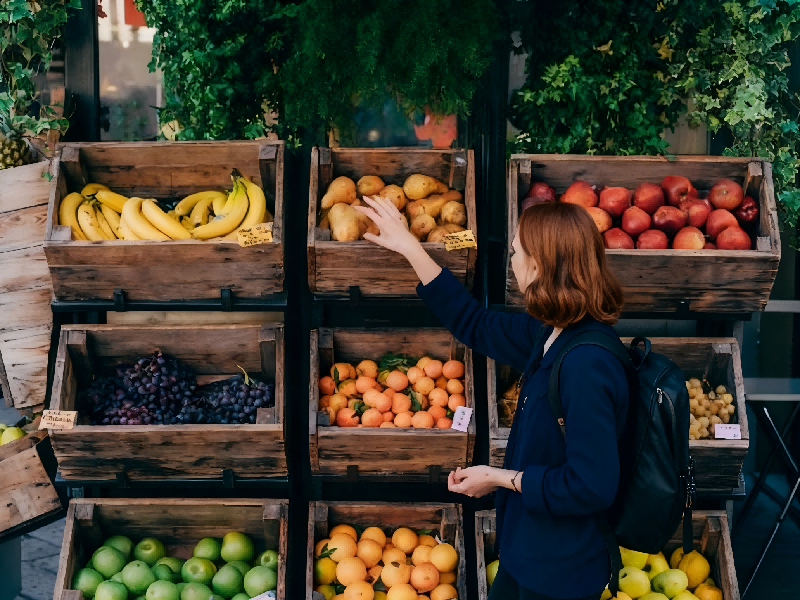
Urban Gardening and Community Kitchens: In urban areas, where access to fresh and affordable food can be limited, urban gardening and community kitchens can play an important role. Urban gardens allow residents to grow their own food, even in small spaces, increasing their access to fresh produce. Community kitchens can provide affordable and nutritious meals to those in need, reducing food insecurity in low - income neighborhoods.
Reducing Waste, Maximizing Impact
Reducing food waste is a critical step towards achieving food security. This can be achieved through a combination of technological, policy, and behavioral interventions:
Improved Storage and Transport: Investing in better storage facilities and transportation infrastructure can help reduce food loss during the production and post - harvest stages. For example, the use of solar - powered cold storage units in developing countries can extend the shelf life of perishable crops and reduce spoilage.
Food Redistribution Programs: Food redistribution programs can redirect surplus food from supermarkets, restaurants, and other food businesses to those in need. These programs can be organized by non - profit organizations, government agencies, or private companies. For example, some supermarkets have partnered with food banks to donate unsold food at the end of the day.
Consumer Awareness: Raising consumer awareness about food waste is essential for changing behavior. Campaigns that encourage consumers to plan their meals, store food properly, and use leftovers can help reduce food waste at the household level. The "ugly produce" movement, which promotes the sale of fruits and vegetables that do not meet cosmetic standards, can also help reduce food waste and provide affordable produce to consumers.
Policy and Global Cooperation
Effective policies and global cooperation are crucial for addressing the root causes of food insecurity and ensuring a sustainable food future. This includes:

Subsidies for Nutritious Food: Governments can provide subsidies for the production and consumption of nutritious foods, such as fruits, vegetables, and whole grains. This can help make healthy food more affordable and accessible to low - income populations.
Climate Adaptation Funding: Climate change is one of the biggest threats to food security. Providing climate adaptation funding to vulnerable farmers can help them cope with the impacts of climate change, such as droughts, floods, and changing rainfall patterns. This funding can be used to invest in climate - resilient crops, irrigation systems, and soil conservation practices.
Conflict Resolution and Peacebuilding: Conflict is a major driver of food insecurity. Resolving conflicts and promoting peace is essential for ensuring food security in affected regions. International organizations and governments can play a role in conflict resolution and peacebuilding efforts, as well as providing humanitarian assistance to those affected by conflict.
4. The Future: A World Where No One Goes Hungry
Achieving zero hunger (SDG 2) is not only a moral imperative but also a necessary condition for achieving sustainable development. It requires a collective effort from governments, international organizations, civil society, and individuals. By centering dignity, equity, and sustainability, we can build a world where everyone has access to sufficient, safe, and nutritious food.
This means investing in people, particularly those who are most vulnerable, and ensuring that they have the resources and opportunities to improve their lives. It means ensuring fair wages for food workers, who play a critical role in the food supply chain. It also means listening to the voices of marginalized communities and involving them in the decision - making processes that affect their food security.
The path to a world without hunger is not easy, but it is achievable. It requires political will, innovation, and a deep sense of compassion and empathy for those who are most affected by food insecurity. By working together, we can create a future where food is not a source of division and suffering but a symbol of hope, unity, and human dignity.
Conclusion
Food security is not just an agricultural issue; it is a human issue that affects us all. It is about ensuring that every person, regardless of their background or circumstances, has access to the food they need to lead a healthy and fulfilling life. By addressing the root causes of food insecurity and implementing human - centered solutions, we can build a more just, equitable, and sustainable world. Let us all take action to ensure that no one goes hungry, because everyone deserves the basic right to food.