What is Agriculture
Introduction: The Seed That Grew Civilization
Imagine a world without pizza, jeans, or medicine—sounds impossible? None of these would exist without agriculture. From the moment humans first planted seeds and tamed animals, farming became the silent engine powering our survival, growth, and innovation. This isn’t just about growing food; it’s the story of how tilling the soil-built cities, fed billions, and still holds the key to our future. Let’s dig into what agriculture really means, why it’s woven into our DNA, and how it’s evolving to save our planet.
The Concept of Agriculture: More Than Just Dirt and Cows
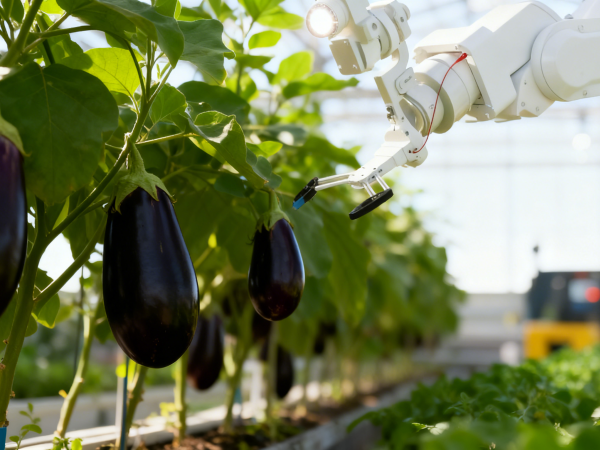
At its heart, agriculture is humanity’s brilliant hack for turning sunlight into sustenance. It’s the science (and art!) of coaxing life from the earth—growing everything from rice and strawberries to raising cows that give us milk and wool. But modern farming? It’s a high-tech marvel. Farmers now use drones to monitor crops, AI to predict harvests, and even “designer seeds” engineered to resist drought or pack extra vitamins.
Think of agriculture as a giant umbrella covering:
- Crops: Wheat fields that feed nations, coffee plants that fuel mornings, and cotton fields that clothe the world.
- Livestock: Cows, chickens, and bees (yes, bees!) that provide meat, eggs, honey, and even pollination for our fruits.
- Forestry & Fisheries: Timber for your home, bamboo for chopsticks, and fish from oceans and fish farms that stock your sushi plate.
From ancient sickles to today’s GPS-guided tractors, agriculture adapts. Whether it’s a family growing veggies in a backyard or a massive farm producing grain for export, the goal is the same: turning natural resources into life-sustaining products.
The Historical Relationship: How Farming Built Our World
Picture this: 10,000 years ago, your ancestors were chasing deer and gathering berries for dinner. Then someone had a revolutionary idea— “What if we plant these seeds and come back later?” That spark lit the Agricultural Revolution, transforming nomadic hunter-gatherers into settlers who built the first villages, then cities, then empires.
Ancient Egypt’s Nile-fed farms fed pharaohs and built pyramids. China’s rice paddies supported dynasties. The Maya mastered maize, and the Inca terraced mountains to grow potatoes. Agriculture wasn’t just about food—it was power. Who controlled fertile land ruled the region.
Fast-forward: The Columbian Exchange swapped potatoes from the Americas to Europe (fueling population booms) and wheat to the New World. The 20th-century Green Revolution doubled rice and wheat yields, saving millions from starvation. Every chapter of human history has farming as its backbone—from wars fought over fertile valleys to migrations chasing better soil.
Agriculture’s Role Today: The Unsung Hero of Modern Life
Today, agriculture isn’t just about farmers in overalls—it’s the invisible force behind your daily life. That cotton T-shirt? Grown in a field. The wooden chair you sit on? From a sustainably managed forest. Even your smartphone case might contain plant-based materials.
Food First: Agriculture feeds 8 billion people. Think about it: Every bite of bread, apple, or chicken nugget started as a seed or animal cared for by a farmer. But it’s not just quantity—it’s quality. Farmers grow nutrient-rich crops to fight malnutrition and develop climate-resistant strains to survive heatwaves and floods.
Beyond the Plate: Ever used a toothbrush? Its bristles might come from pig hair (livestock). Your car’s tires? Made from rubber trees. Medicines? Many are derived from plants like willow bark (the original aspirin). Agriculture fuels industries you’d never expect.
Economy & Environment: In rural areas, farming is the heartbeat of local economies—supporting shops, schools, and families. Globally, it’s a $3 trillion industry. But it’s also a climate hero (when done right!). Healthy soils store carbon, forests protect biodiversity, and smart irrigation saves water. Yet, poor practices can harm the planet, proving that sustainable farming isn’t optional—it’s essential.
The Future: Growing Smarter for a Hungry Planet
By 2050, Earth will have 9.7 billion mouths to feed. Can our farms keep up? Yes—but only if we innovate. Enter the future of agriculture:
- Tech on the Farm: Drones scan fields for pests, robots pick strawberries, and AI analyzes soil health to recommend the perfect fertilizer mix.
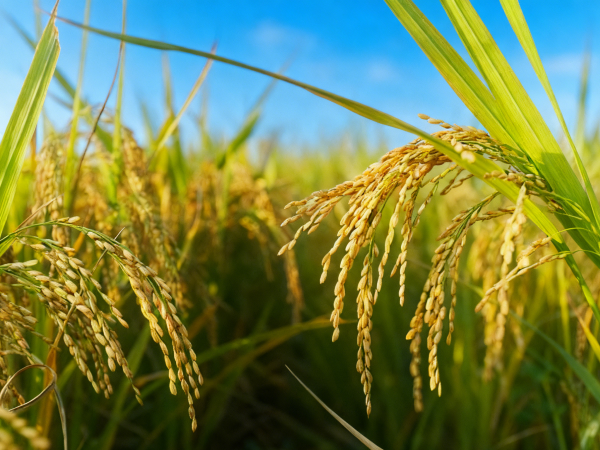
- Climate-Proof Crops: Scientists are breeding drought-resistant wheat, flood-tolerant rice, and biofortified crops (like vitamin-A enriched sweet potatoes) to fight hidden hunger.
- Urban Farming: Vertical farms in skyscrapers and hydroponic gardens on rooftops grow food in cities, using 90% less water than traditional farms.
- Sustainable Solutions: Regenerative agriculture (like planting cover crops to restore soil) and circular farming (turning waste into compost) aim to heal the Earth while feeding people.
But it’s not just about technology. Education matters—teaching young farmers to use data, and consumers to value where their food comes from. Global cooperation is key: Sharing seeds, techniques, and policies to ensure no one goes hungry.
Conclusion: Agriculture, the Root of Our Future
Agriculture isn’t just a sector—it’s the story of humanity. From the first planted seed to the AI-powered farm of tomorrow, it’s how we’ve survived, thrived, and connected with nature. It feeds us, clothes us, heals us, and even shapes our economies and climates.
The next time you bite into an apple or wear a cotton shirt, remember: You’re holding centuries of human ingenuity. The future of agriculture isn’t just about growing more—it’s about growing smarter, fairer, and greener. Because in a world that’s changing fast, farming isn’t just a tradition. It’s our greatest tool to build a sustainable, food-secure, and thriving future for all.
So, what is agriculture? It’s the living legacy of how we’ve tamed the wild to nourish civilization—and the bold innovation that will keep it thriving for generations to come.
Meet the experts in agricultural research

Dr. Guido Van Huylenbroeck
Google Scholar
Affiliation: Ghent University, Belgium
Research Interests: Agricultural Policy; Rural Development; Institutional Economics

Filippo Sgroi
Scopus
Affiliation: University of Palermo, Italy
Research Interests: Agricultural Economics; Competitive Advantage; Asimmetry Information; Food Consumption; Food Marketing; Agricultural Water Management

Jesus Simal-Gandara
Researcher ID Scopus Google Scholar
Affiliation: University of Vigo, Spain
Research Interests: Food Quality and Safety; Food Authenticity and Traceability; Risk Assessment of Food Contaminants
Want to join us?